Recent research has discussed annual global plastic use exceeding 300 million tonnes.
Climate-tech idea in development
CIRCULAR MATERIALS • CLEANER COMMUNITIES
Turning plastic waste into tomorrow.
SafeSiteSure is an early-stage initiative researching how discarded plastic can move from litter and landfill towards useful products, smarter construction applications and community learning.
IdeaValidated problem
ResearchIn progress
PilotNext milestone
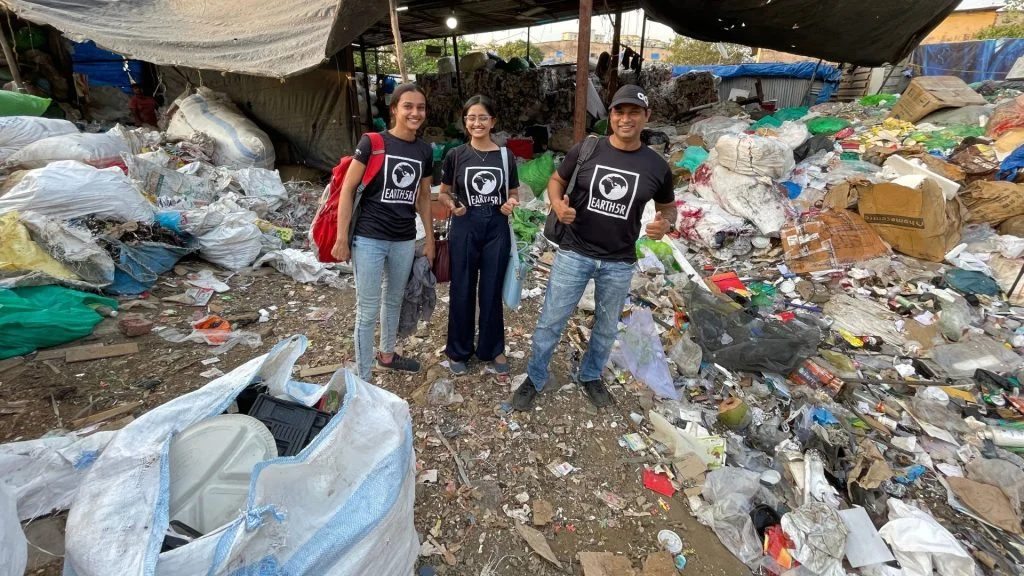 Community action
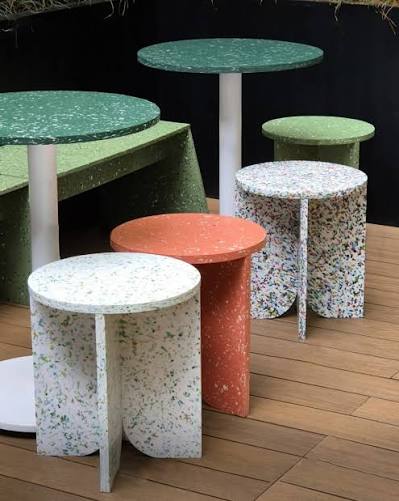 Useful outcomes
OUR NORTH STARRecover • Reuse • Restore
Illustrative plastic generated since page opened0 kgAwareness simulation, not a live official statistic.
REDUCE ✦ REUSE ✦ RECOVER ✦ REDESIGN ✦ REBUILD ✦ RESTORE ✦ REDUCE ✦ REUSE ✦ RECOVER ✦ REDESIGN ✦
THE PROBLEM, CLEARLY
Waste is often a design and systems problem.
Plastic remains useful because it is strong, light and durable. Those same qualities become harmful when collection, sorting and end-of-life systems fail. We want to help bridge that gap with practical, measurable experiments.
A research review shared for this project reported that only a small share is recycled globally.
The same review highlighted the scale of material value currently being lost.
WHY PEOPLE MATTER
Technology alone will not clean a neighbourhood.
Real progress needs households that separate waste, workers who collect safely, recyclers who process responsibly and communities that can see where the material goes.
Become part of the loop →Our decision hierarchy
1. Refuse2. Reduce3. Reuse4. Repair5. Recycle6. Recover
INTERACTIVE MATERIAL JOURNEY
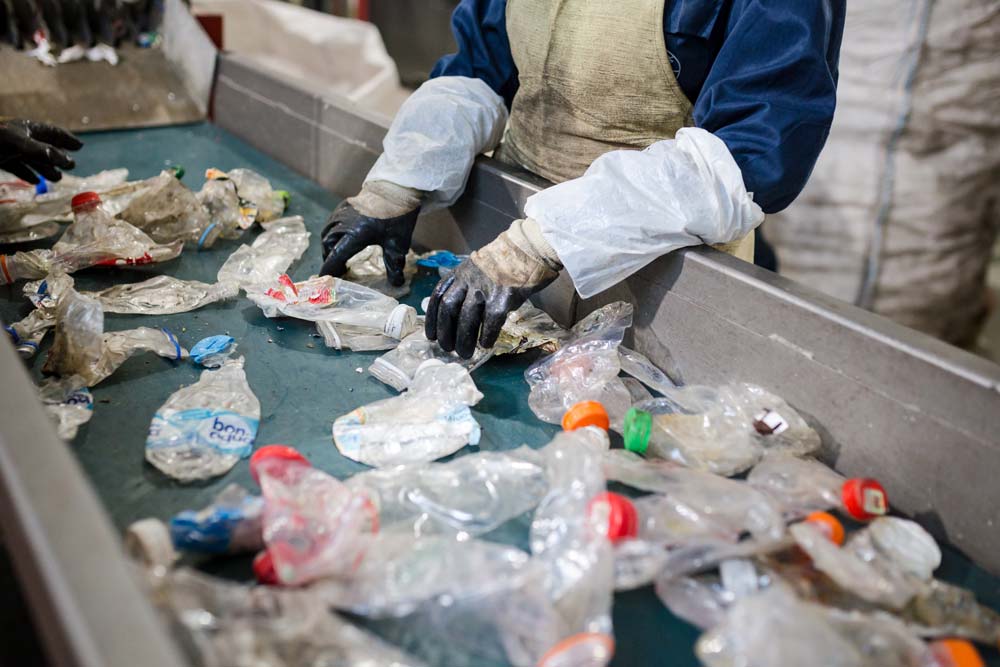
Follow one bottle from waste to possibility.
Select each stage to understand the proposed SafeSiteSure loop.
STEP 01
Collect recoverable plastic
Begin with safe local collection from homes, institutions and worksites while keeping unsuitable or hazardous materials separate.
Goal: cleaner surroundings and traceable input material.
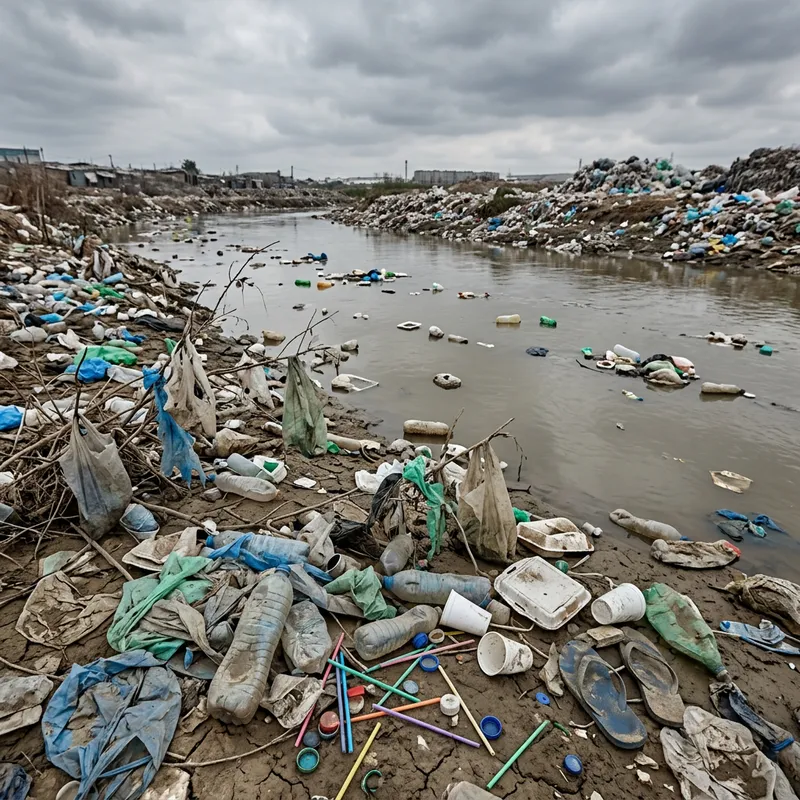
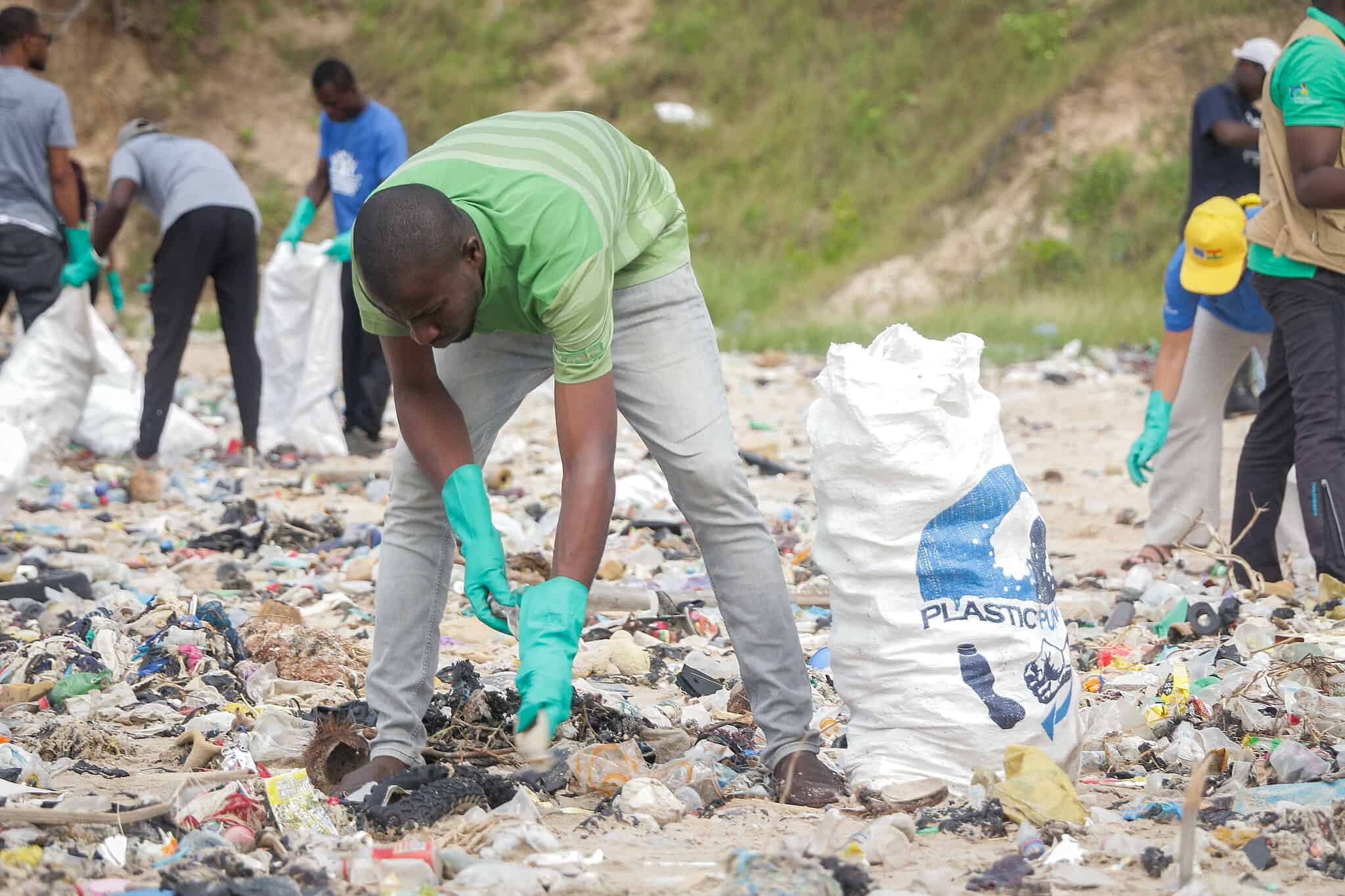
WASTE AROUND US
One problem. Many places. One shared responsibility.
These images show why collection, sorting and responsible recovery must work together.
FROM PLASTIC TO PURPOSE
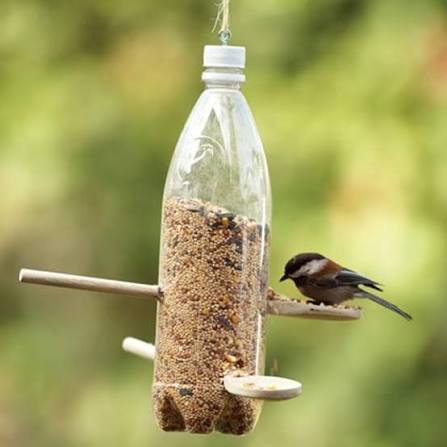
Possible second lives for recovered material.
These are learning examples and future product directions, not claims of current SafeSiteSure manufacturing.
PARTNER PROCESS SHOWCASE
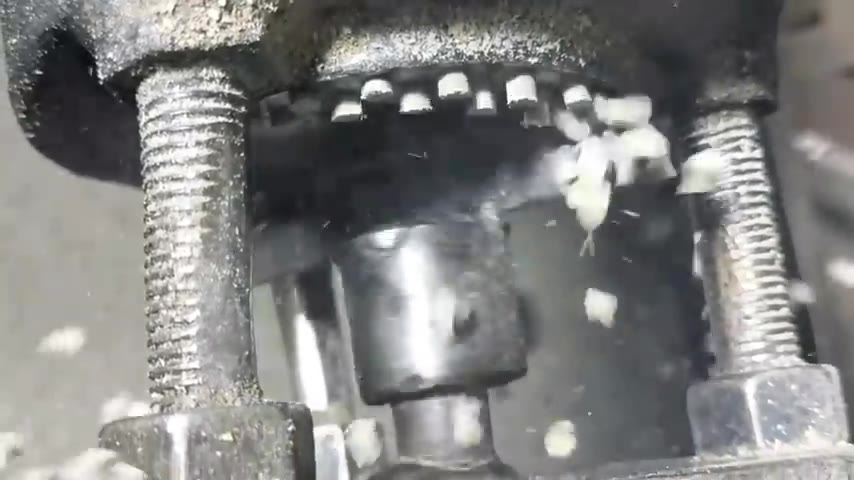
See waste plastic move through a real pipe-making process.
This factory walkthrough shows collection-stage material being sorted, processed and transformed into PVC pipe. It is included as a practical learning reference for the circular manufacturing journey.
Real factory process footage
START WHERE YOU LIVE
A practical home waste plan anyone can begin today.
Small household choices become meaningful when they are repeated: reduce what enters the home, reuse what still has value, separate waste correctly and send each stream to the right destination.
STEP 01 • REDUCE
Choose less packaging before it reaches your bin.
Carry reusable shopping bags and a refillable water bottle. Prefer local or loose produce when practical, avoid disposable cups and straws, and select refill packs or larger containers when they reduce total packaging.
- Keep reusable bags near the door.
- Refuse unnecessary single-use items.
- Choose durable products over disposable ones.
Clean and dry
Bottles, cans, paper and accepted packaging should be emptied and kept separate from food waste.
Compost where possible
Vegetable peels, coffee grounds, eggshells, leaves and grass can become nutrient-rich compost.
Never mix blindly
Batteries, electronics, bulbs, razors and hazardous products may require authorised collection points.
Use creativity carefully
Repurpose safe containers as planters or storage, but do not reuse packaging for food if it was not designed for repeated food contact.
Adapted into an original practical guide from a household plastic-reduction article by SankalpTaru Foundation. Always follow your municipality's current collection rules.
KNOW YOUR PLASTIC
Not every plastic behaves the same way.
Select a resin code to learn common uses, typical recyclability and the care needed before proposing any application.
01
PET — Polyethylene terephthalate
Common, valuable and widely collected
Often used for beverage bottles and food packaging. Clean, separated PET has established recycling pathways in many markets.
WHAT WE WANT TO TEST
Practical pathways, not exaggerated promises.
SafeSiteSure is not yet manufacturing products. These are development tracks for research, partnerships and small pilots.
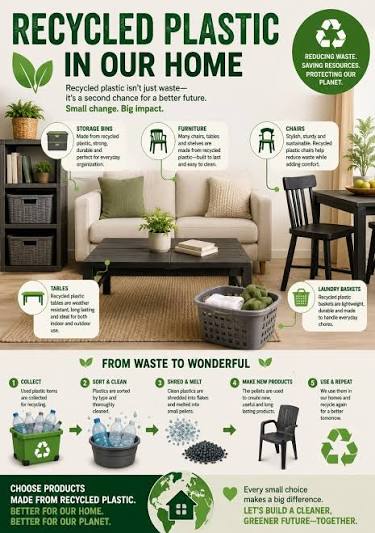
Useful everyday objects
Explore durable chairs, planters, boards and small community-use products using suitable processed polymers.
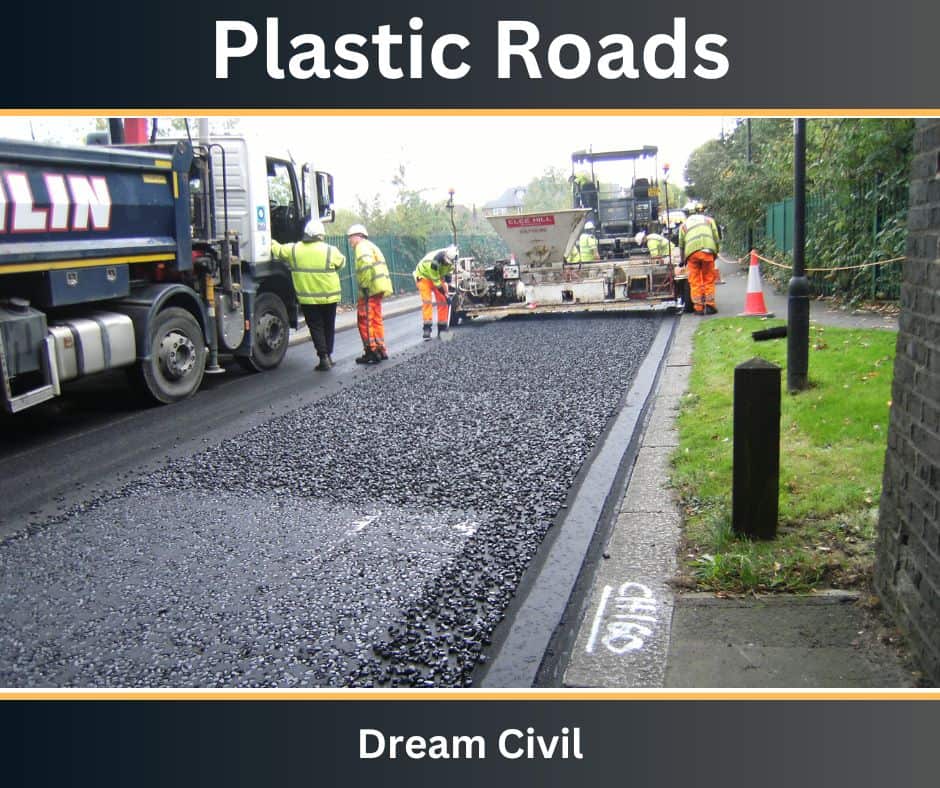
Responsible road applications
Study standards-led uses of suitable plastic in pavement applications with qualified laboratories and civil experts.
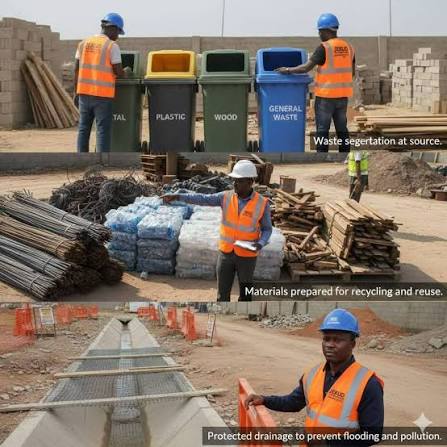
Cleaner construction systems
Design segregation guides and collection partnerships for recoverable waste generated around construction activities.
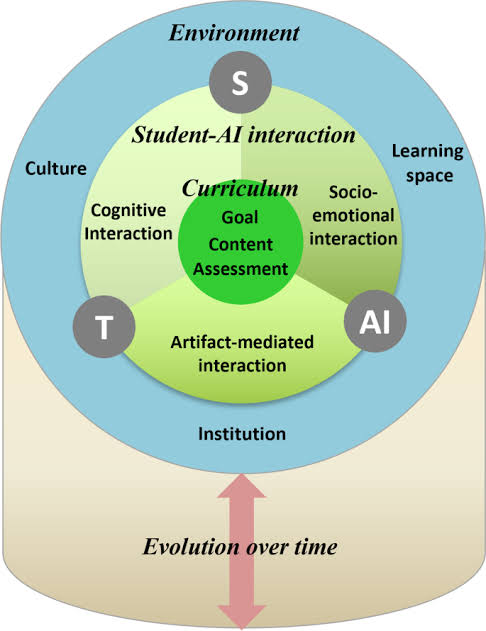
Learning that becomes action
Use workshops, student challenges and visual tools to make sorting and circular thinking easier to practise.
OPEN PROGRESS DASHBOARD
Transparent about what is done—and what is not.
Progress values are founder-maintained estimates, not audited project metrics.
Next proof point
Run one small, documented collection pilot.
The aim is to record material type, weight, contamination, volunteer participation and final destination without making unsupported claims.
Help with the pilotIMAGINE 2035
A future where materials keep moving—not piling up.
This is a vision, not a forecast: smarter sorting, stronger local markets, safer recycled products and infrastructure decisions backed by evidence.
AI sortingPlastic lumberCleaner roadsSchool labsZero litter zonesLocal circular jobs
IMPACT LAB
Explore what a local collection could unlock.
These calculators are educational scenarios. Actual output requires polymer identification, product engineering, testing and life-cycle assessment.
20small-item equivalents*
100kg potentially diverted*
50people potentially engaged*
5estimated kg*
10collection bags*
2volunteer hours*
BEFORE / AFTER
Move the slider from unmanaged waste to circular action.
Unsorted • Littered • Lost value
Collected • Sorted • Reimagined
LEARN FROM THE WORLD
Ideas travel. Context still matters.
Tap a location to see a broad lesson that can inspire local experimentation. These are learning prompts, not rankings.
INDIA
Scale needs simple, local systems.
India's diversity makes neighbourhood collection, informal-sector inclusion and clear sorting communication especially important.
Explore lessons, then validate them for local conditions.GLOBAL GOALS ALIGNMENT
Designed to contribute, not merely display.
Our proposed work aligns most closely with these UN Sustainable Development Goals.
Sustainable Cities
Cleaner neighbourhoods and better local waste systems.
Responsible Consumption
Keeping material value in circulation for longer.
Climate Action
Exploring lower-waste choices and circular design.
Life Below Water
Preventing plastic leakage into waterways and oceans.
Life on Land
Reducing litter and pressure on terrestrial ecosystems.
MONTHLY PLASTIC MISSION
Start with ten clean kilograms.
Invite a small group, separate recoverable material, record every kilogram and hand it to a responsible local recycler.
ROADMAP
Build evidence before scale.
2026
Idea & research
Problem framing, website, literature review and initial outreach.
NEXT
Community pilot
Small collection and sorting activity with transparent measurement.
THEN
Prototype
Work with technical partners to create and test one selected output.
LATER
Partnership model
Document a repeatable toolkit for schools, communities and worksites.
VISION
Responsible scale
Grow only when safety, economics and environmental value are validated.
 Building from Rajasthan, India
MEET THE FOUNDER
Hi, I’m Daksh.
Civil Engineer.Site problem-solver.Founder of SafeSiteSure.
I am a 24-year-old civil engineer from Rajasthan, currently working on high-rise residential construction projects in Surat. My professional work involves coordination, quality, safety and solving daily challenges with engineers, contractors and labour teams.
SafeSiteSure began with a question: can the planning mindset used in construction also help recover value from plastic waste? I am developing the answer through research, small experiments, community learning and collaboration.
“Waste is not the end of a product. It can be the beginning of innovation.”
RESEARCH & LEARNING
Evidence first. Original summaries. Clear sources.
These themes guide our current learning. External sources open in a new tab.
Plastic waste valorisation
Research increasingly explores plastic waste as feedstock for products, 3D-printing materials, carbon materials and other applications.
Read the research paper ↗Reduce before recycling
Our approach follows a hierarchy: avoid unnecessary waste, extend product life, then recycle responsibly where suitable.
Collection checklist
A short printable checklist for planning a safe, honest and measurable collection activity.
Can you sort it right?
Take a quick awareness quiz about plastic sorting and responsible recycling.
PROJECT NOTES
Build in public, even before the first pilot.
Short founder notes create accountability and show how the idea is developing.
Why SafeSiteSure starts with honesty
We would rather show zero measured impact than invent a number. The first milestone is credible data from one small pilot.
One plastic stream at a time
Mixed plastic sounds convenient, but better sorting generally creates clearer technical choices and safer experiments.
Awareness must end in action
A poster is useful only when people know what to separate, where to bring it and what happens next.
FUTURE COLLABORATORS
Who we hope to build with.
UniversitiesRecyclersMunicipal bodiesSchoolsNGOsConstruction companiesMaterial labsStudent volunteers
QUESTIONS PEOPLE ASK
Clear answers without overclaiming.
Is SafeSiteSure currently recycling plastic?
No. SafeSiteSure is currently an early-stage initiative focused on research, outreach and pilot planning. The website clearly separates present work from future goals.
Will every type of plastic be accepted?
No. Resin type, contamination, local recycler capability and intended application all matter. A pilot should publish a clear accepted-material list.
Are plastic roads automatically sustainable?
No. Any road application requires standards, qualified technical partners, performance testing and environmental assessment. SafeSiteSure presents it as a research track—not a guaranteed solution.
How can I help now?
You can share technical guidance, identify a responsible recycler, offer a safe pilot location, volunteer for documentation or introduce a university or laboratory partner.
LET’S BUILD TOGETHER
Have knowledge, a pilot location or an idea?
We welcome researchers, recyclers, students, civil engineers, NGOs, manufacturers and community leaders who value honest experimentation.